The Art of Losing
It was a trip my grandfather had made thousands of times. He followed the long dirt driveway through a tunnel of trees, by the old granite quarry and down the hill to the convenient store for cigarettes and lottery tickets. On that return trip, and on that same street he lived for more than forty years, he pulled to the side of the road unable to recognize where he was going.
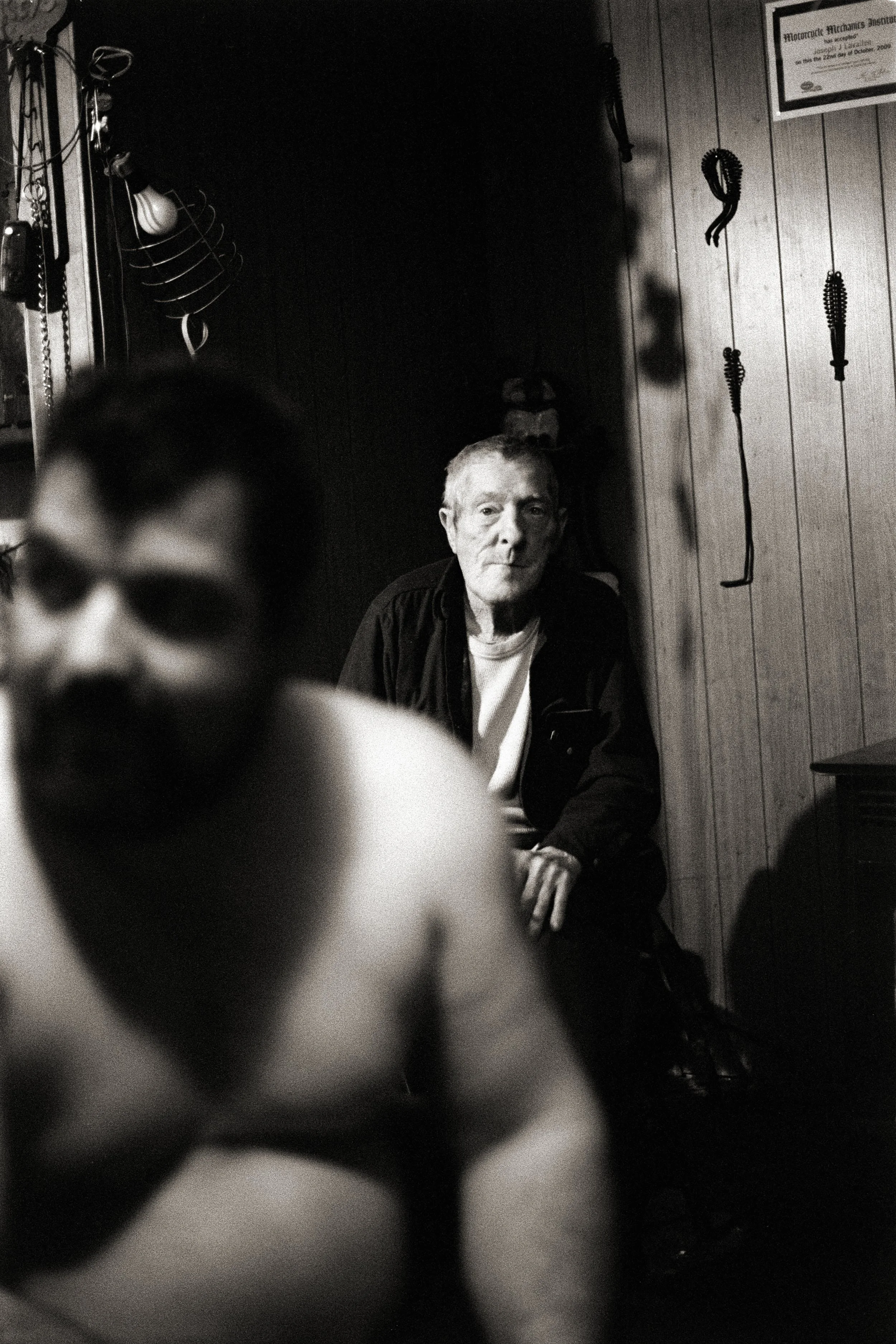
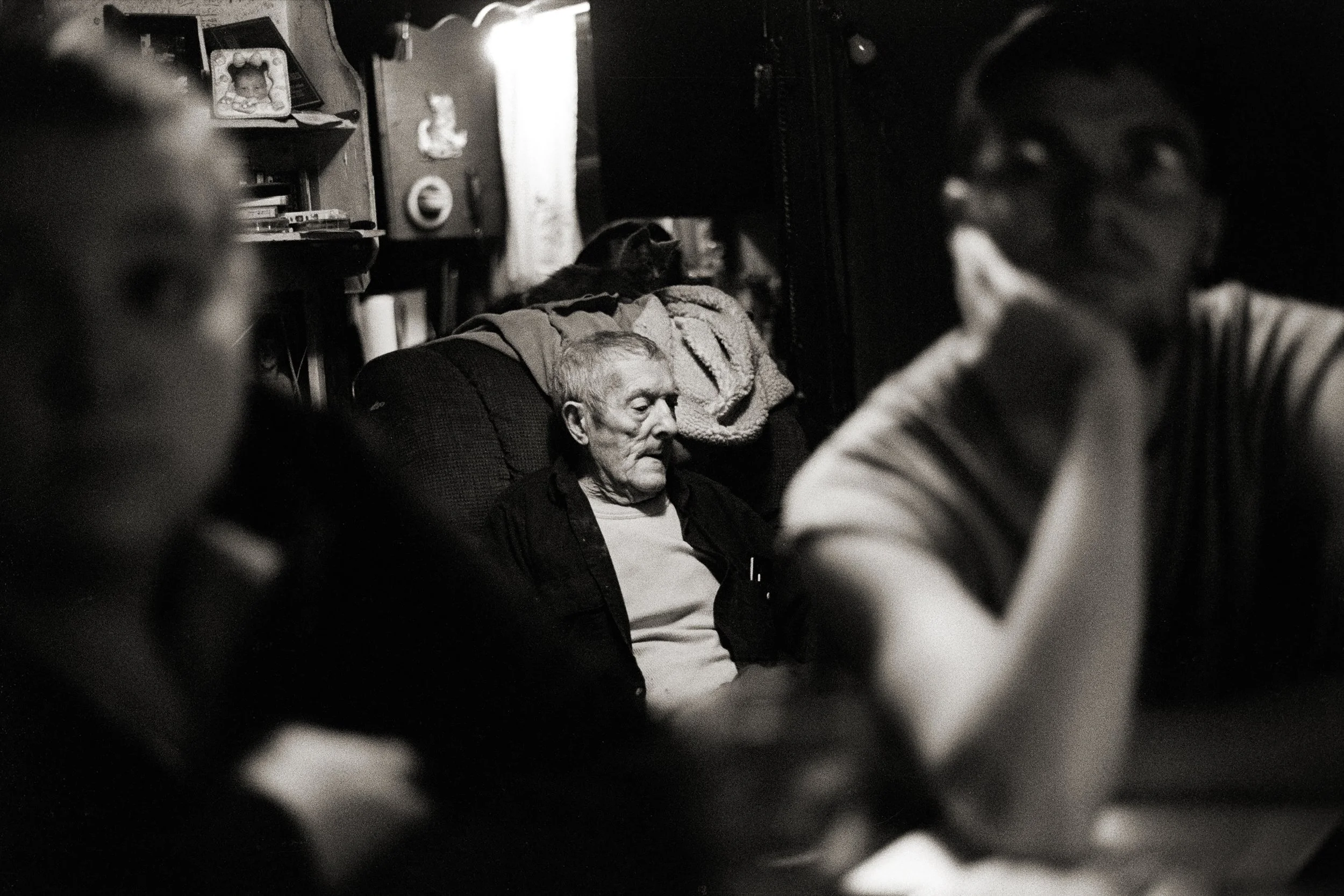
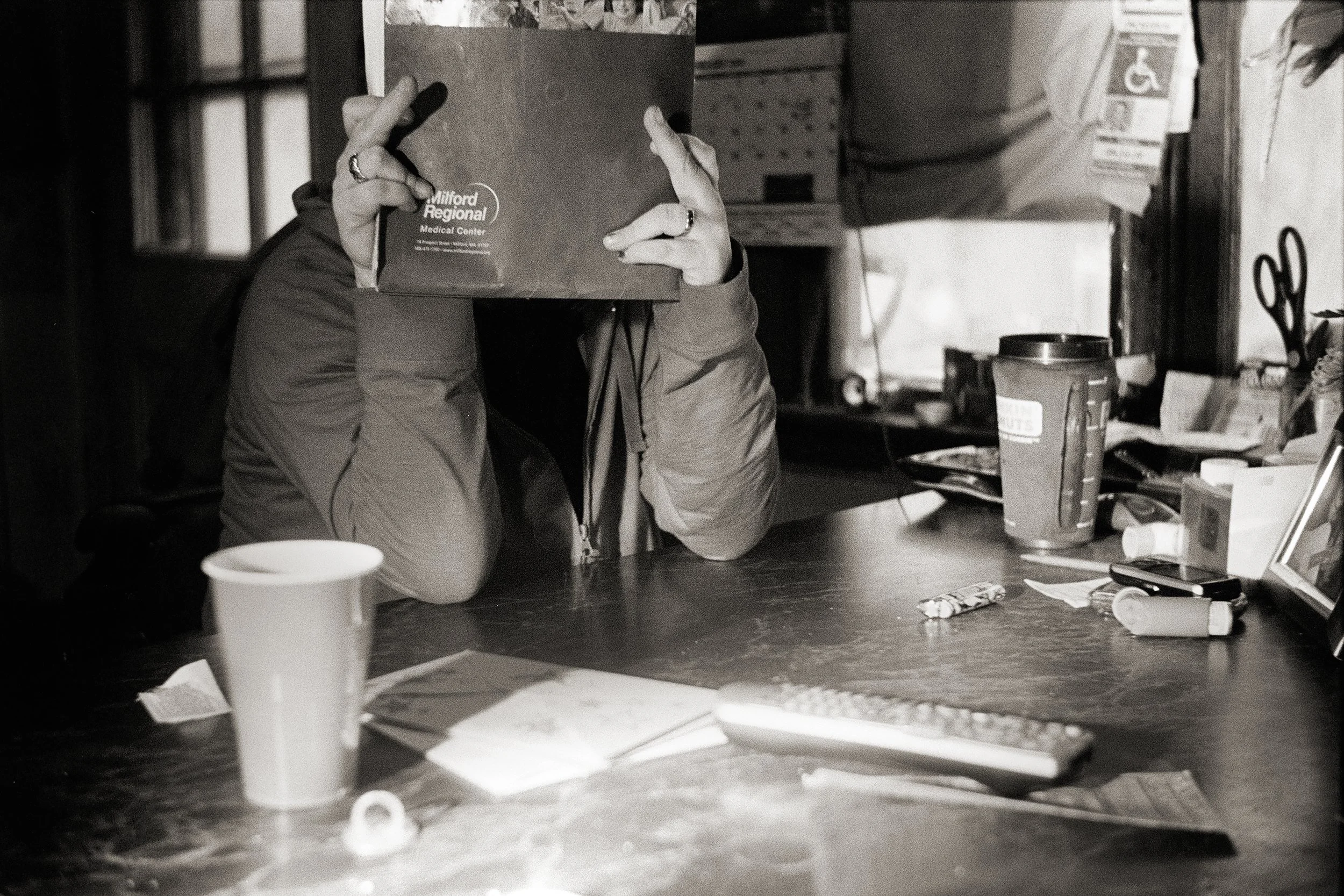
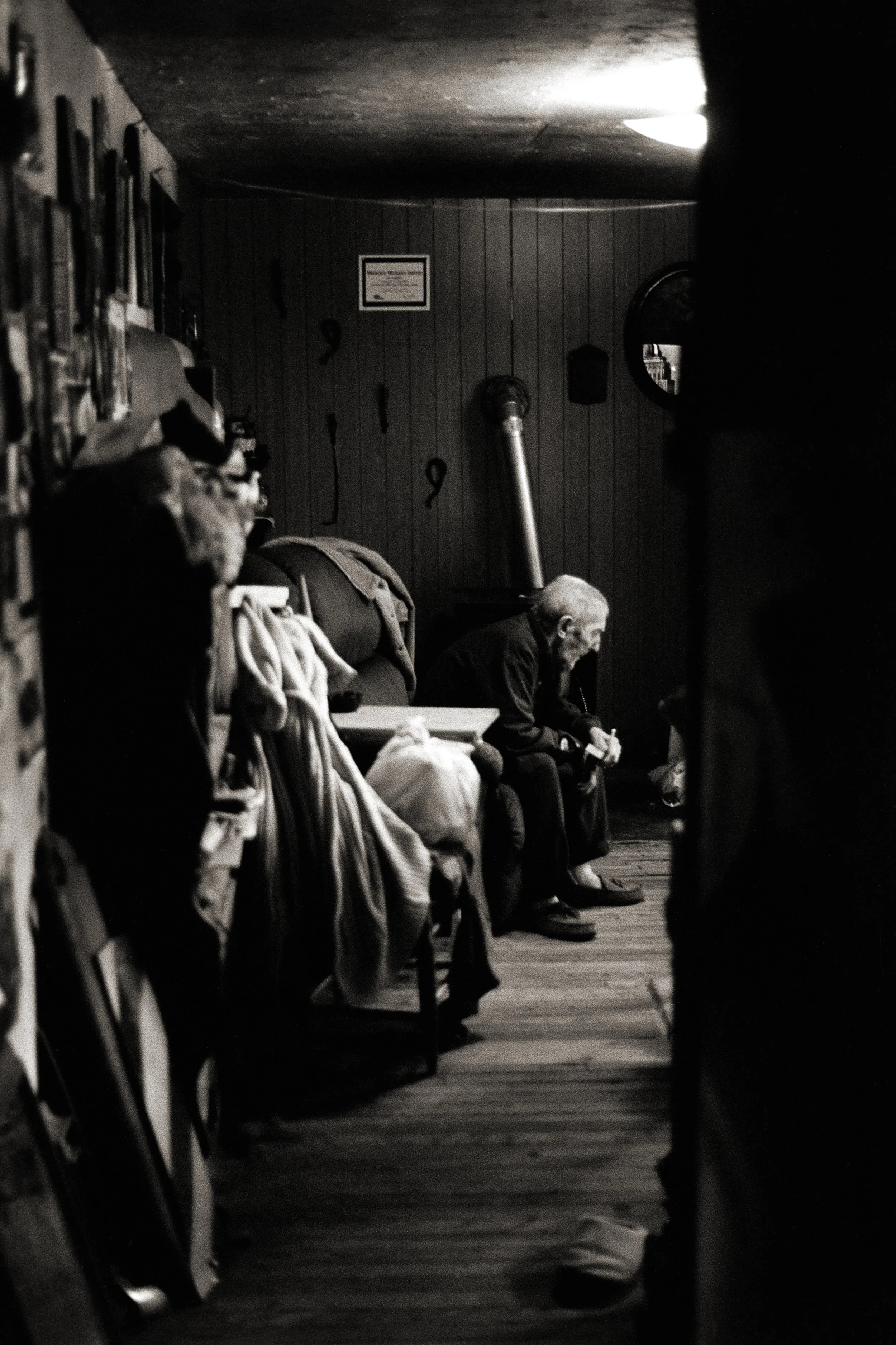
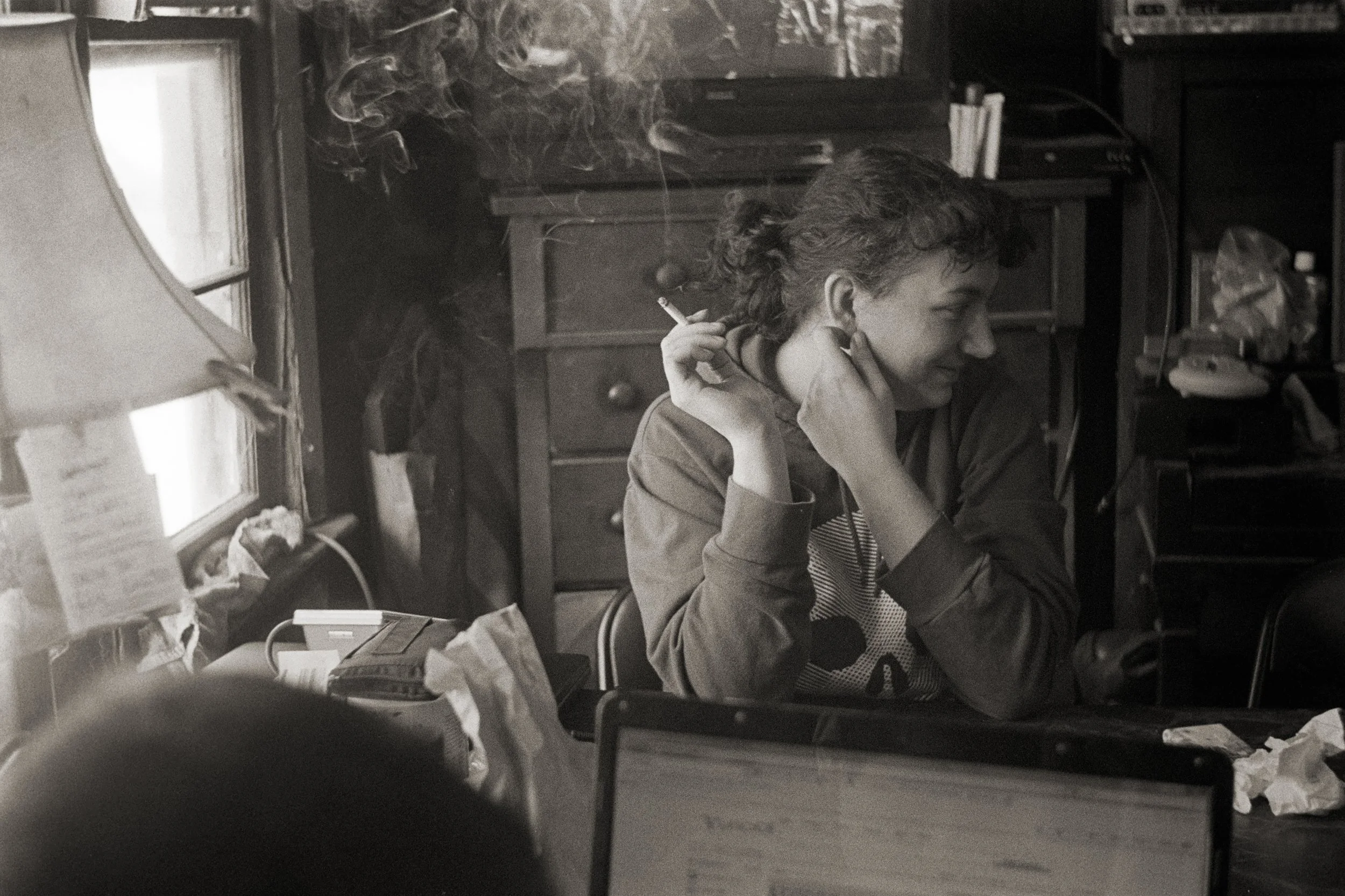
Immediately following my grandfather’s dementia diagnosis, my family prepared a twenty-four hour care schedule, relocated his bedroom from the sagging addition supported by tree trunks to a room which required no stairs, and utilized the adjacent room for family who took the night shift. I’d stay over on Wednesday nights, sleeping with one eye open atop an old bare mattress on the floor, Patsy Cline’s voice warming the house until dawn. Bells tied to door knobs in case he snuck out.
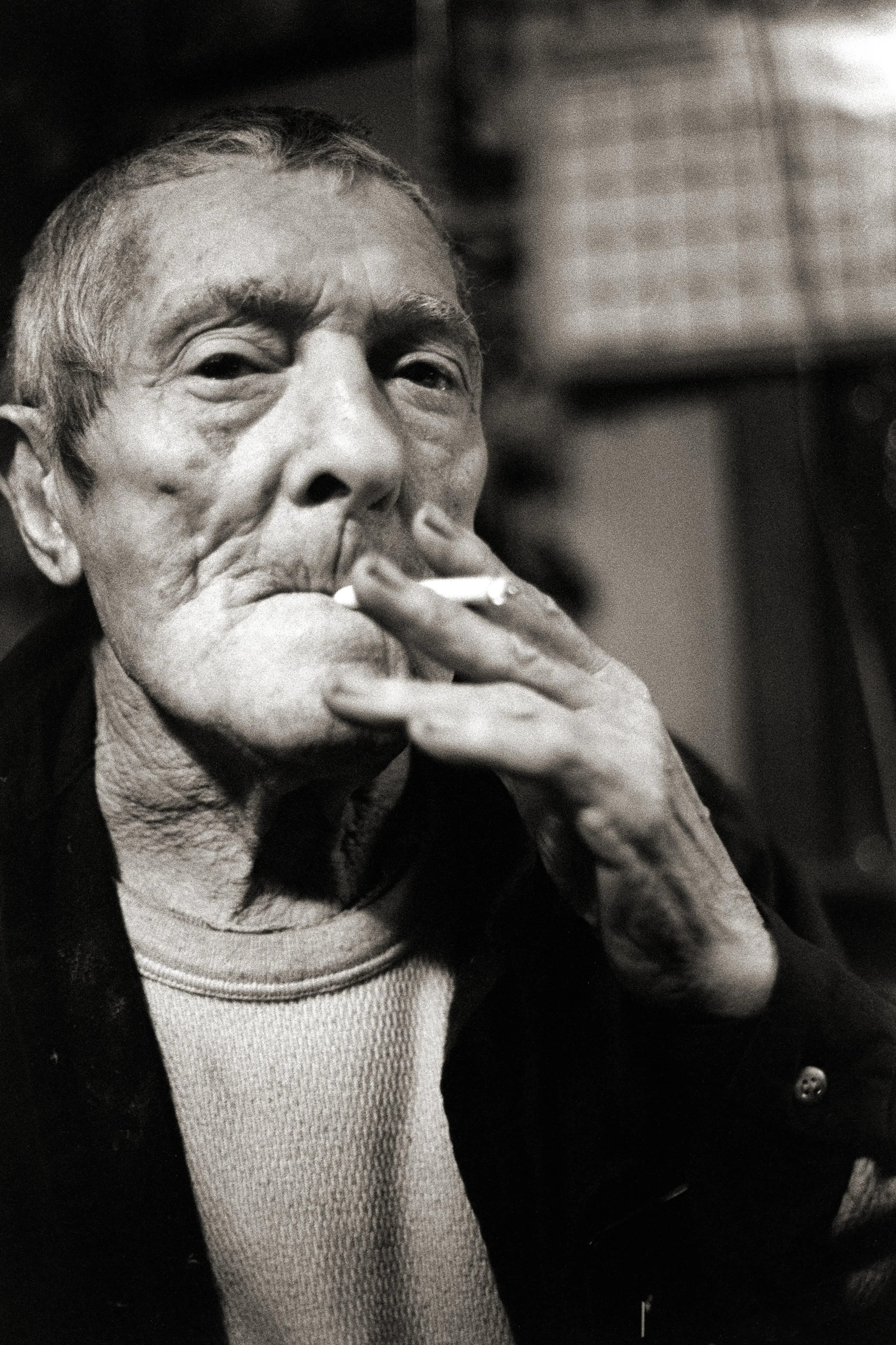
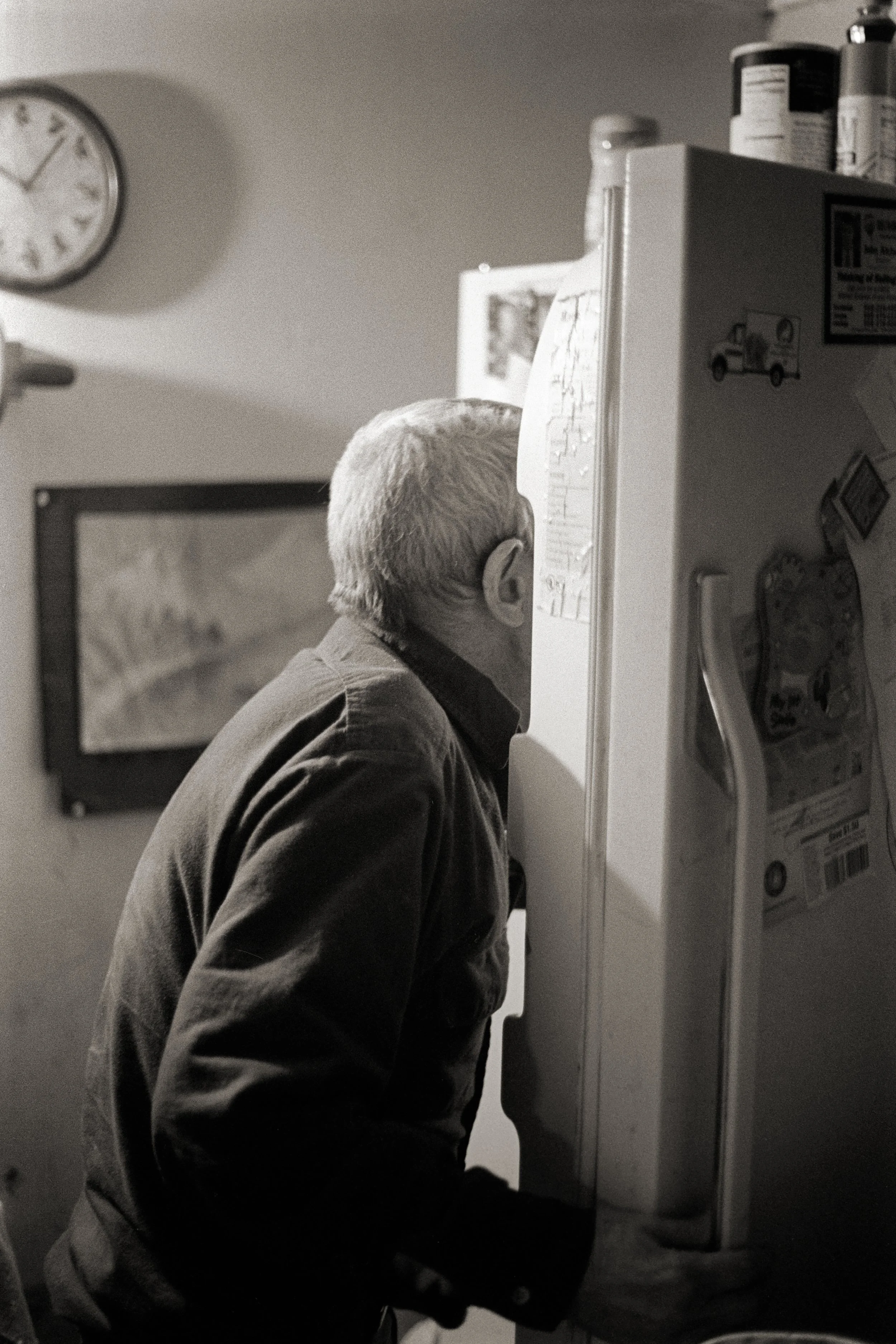
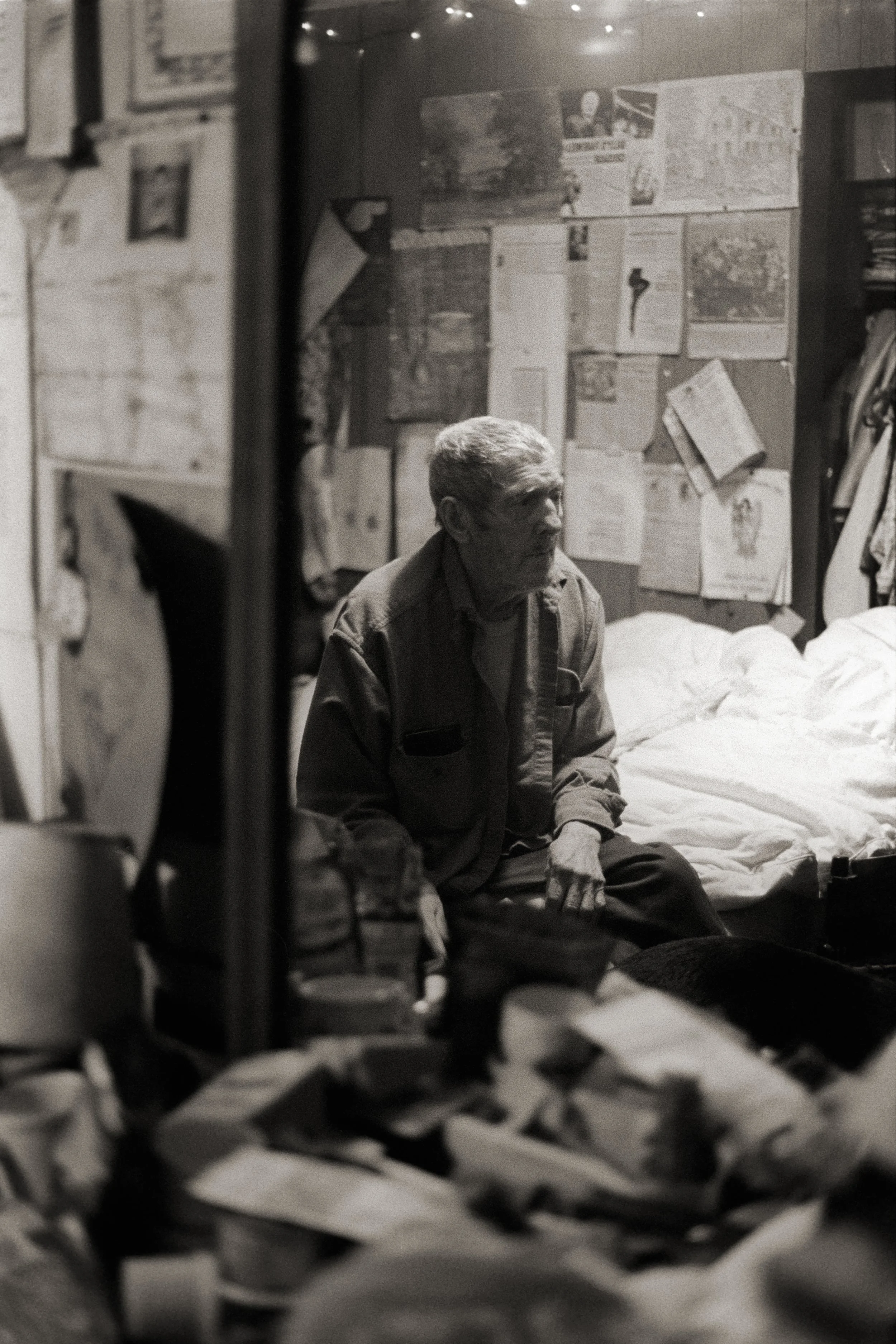
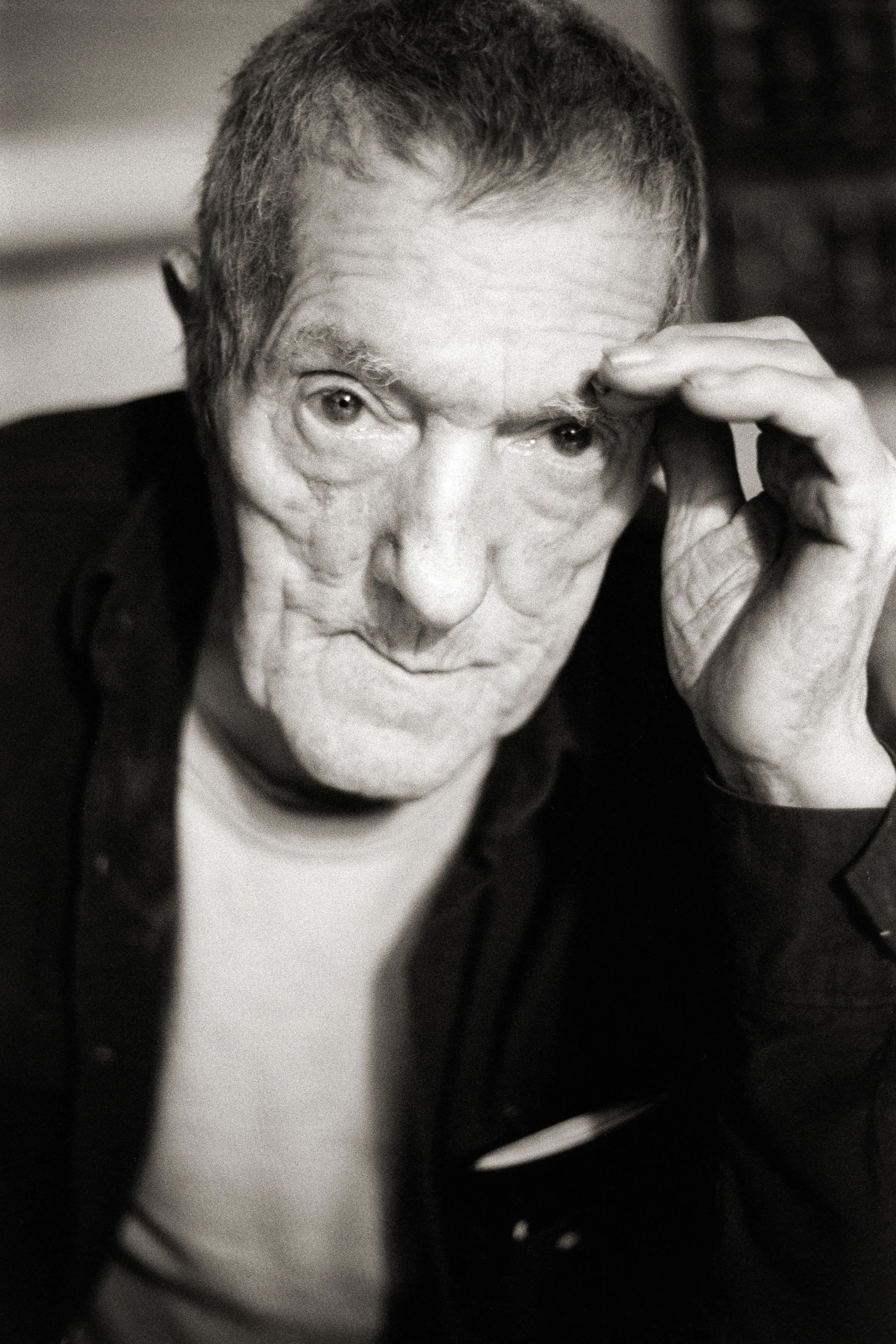
It was on those Wednesdays that I started to explore through photography how my grandfather's dementia diagnosis affected him and my family. I was interested in the way cognition fails, when memories become reorganized or forgotten altogether and a person has no reference for the recognizable, and fascinated by the extensive records he kept over the years. A familial archive and the thousand scattered fragments that make up the sum of a person's life. Though it wasn’t only my grandfather who was losing, but my family who was losing my grandfather.
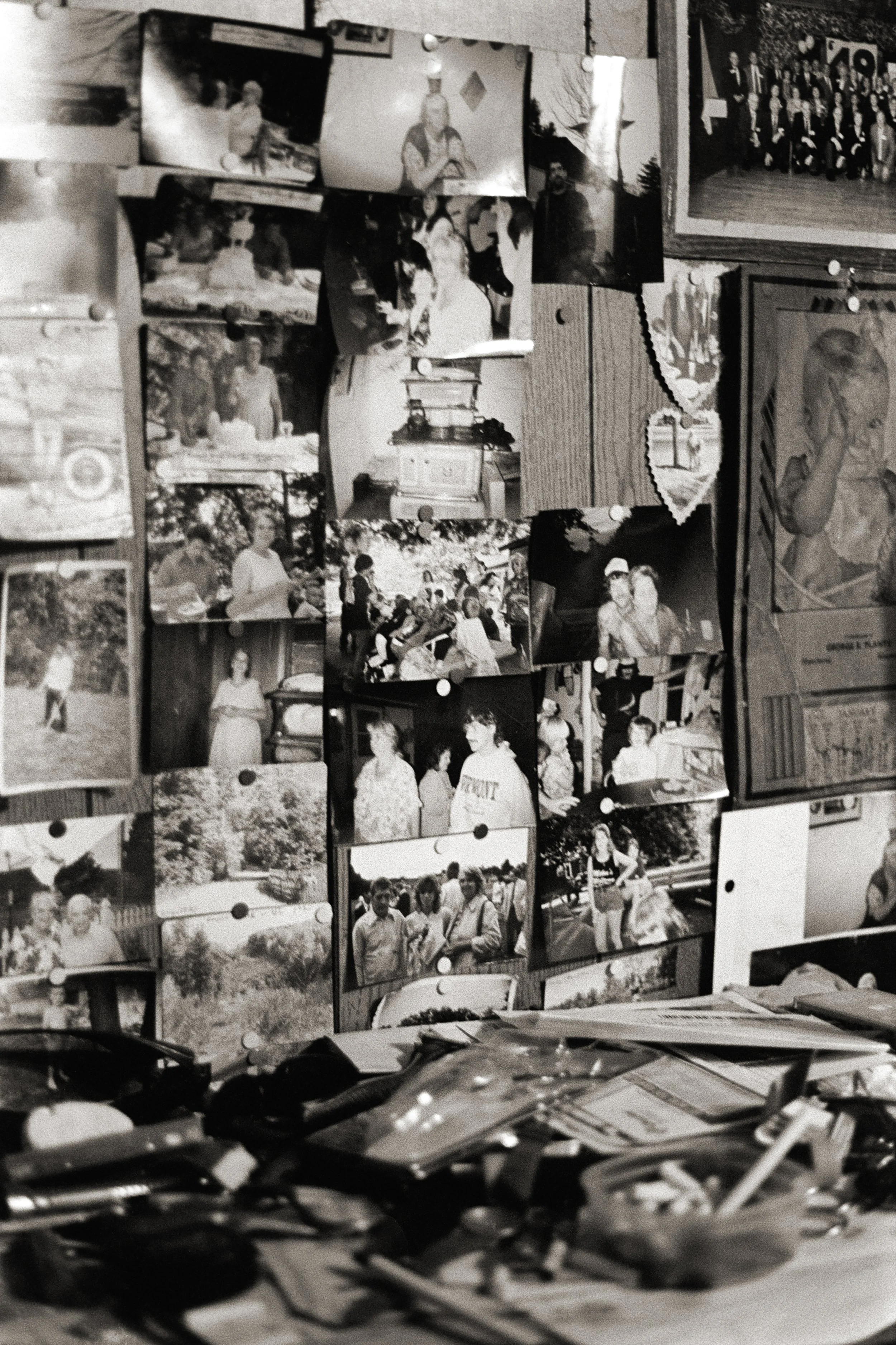
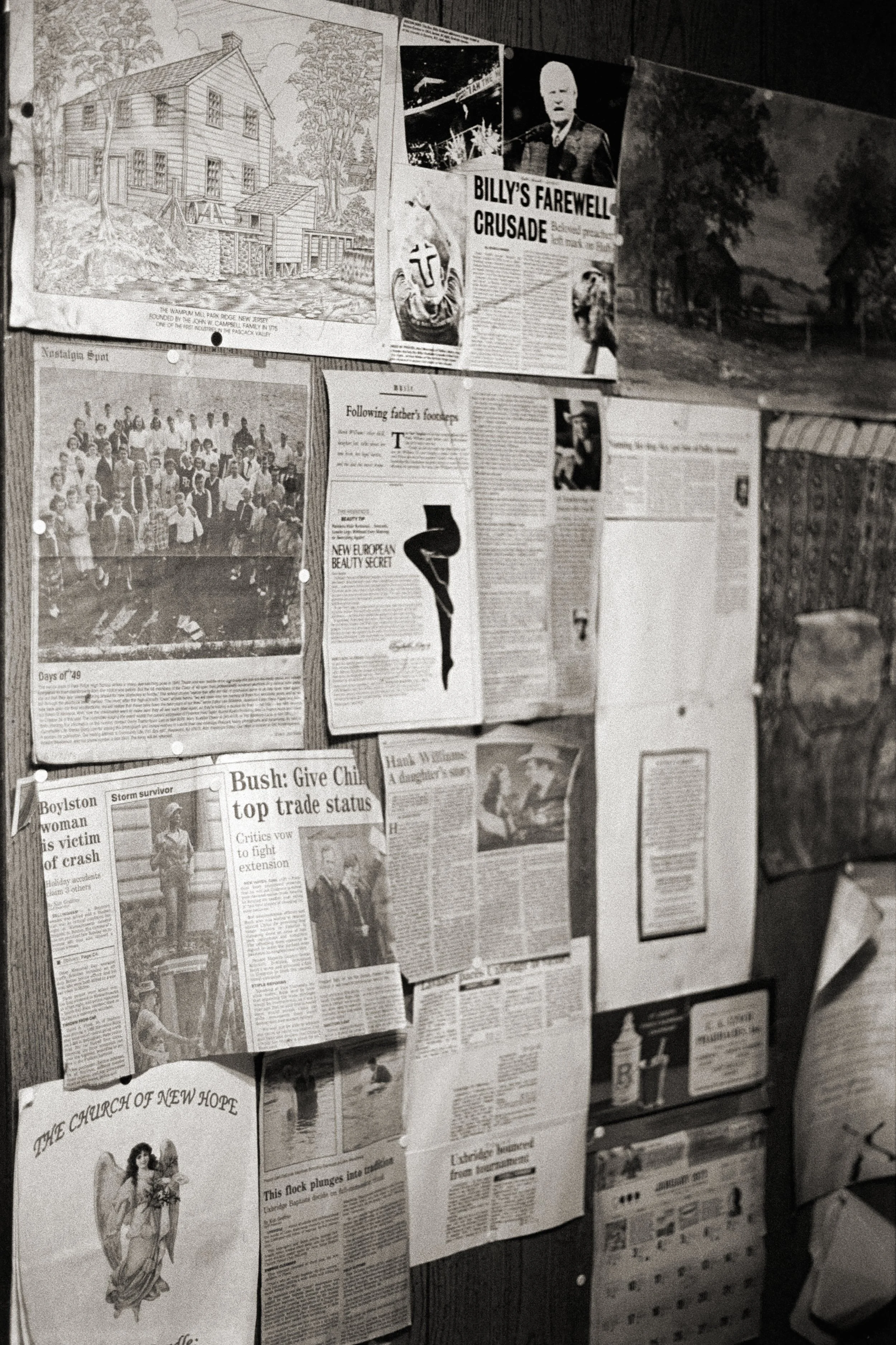
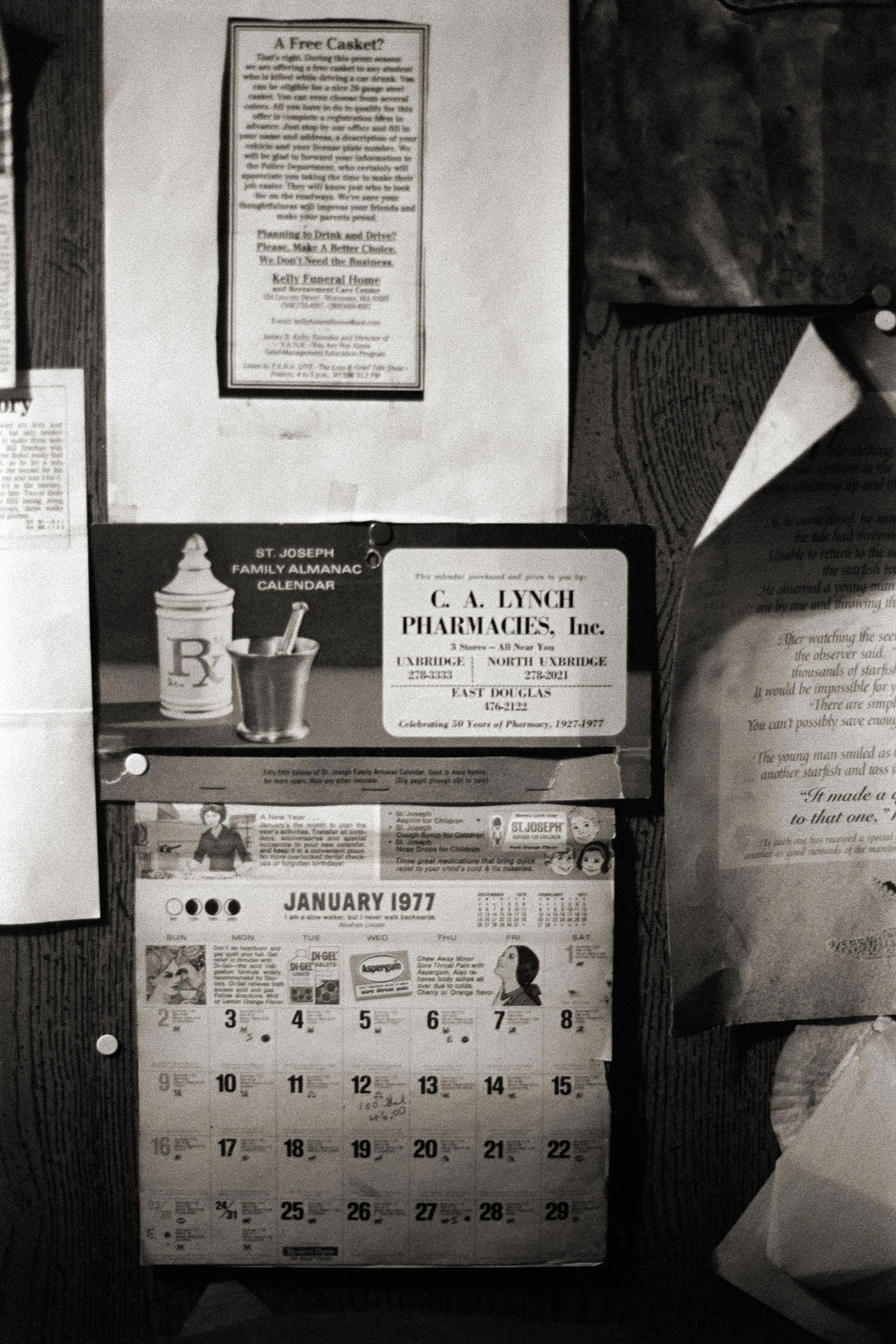
There is no preparation for sudden loss, it strikes without warning and we’re often left to seek answers, to work backward until we make sense of a person's life and death. With dementia, my grandfather was the one who worked backward while my family was forced to arrange a future without him. Though his getting lost on old Quarry Hill was, in a sense, a sudden loss. A loss which he might have been anticipating for many years. He had arranged himself within a cocoon of artifacts, preparing for the slow degradation and eventual metamorphosis from this mortal plane. Ephemera papered walls floor to ceiling with photographs, tacked newspaper clippings, and notes on calendars. Calendars from ‘49 and ‘77 and one from ‘04 with a scribbled comment on December 13th, “the day I lost my best friend”, reference to my grandmother. Dispatches which assumed not only an art form, but an art he surrounded himself with. The art of losing.